Navy: A Romantic Handwritten Font
There I was, staring at a blank brand board, trying to find the right tone for a new boutique coffee shop. The client wanted something warm, approachable, and a little bit whimsical. I pulled up a few fonts, but nothing felt quite right—until I tried Navy. It wasn’t just another script font; it had a personality that made me want to use it everywhere.
The Personality of Navy
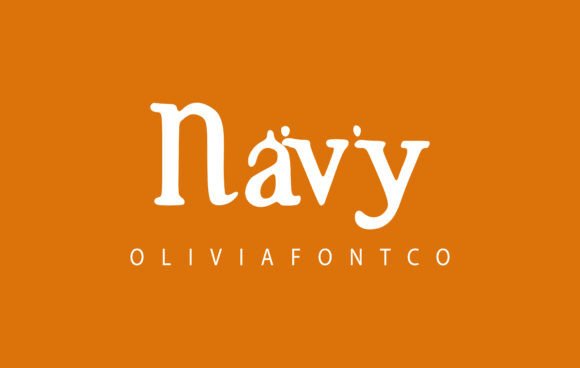
Navy is an authentic handwritten font with a romantic touch. It carries the softness of a well-worn journal, the elegance of a handwritten note, and the charm of a personal signature. Its strokes are fluid, its curves gentle, and its overall aesthetic feels like it was drawn with a pen in a quiet moment of inspiration. This isn’t a font you’d use for a corporate annual report, but it’s perfect for brands that want to feel human, intimate, and expressive.
When I tested it on a logo concept, it immediately brought a sense of warmth and authenticity. The font has a natural flow that doesn’t feel forced, which is rare in many digital scripts. It works especially well when paired with clean, modern typography, creating a balance between old-world charm and contemporary design.
Testing Navy in Real Projects
I used Navy in a variety of branding assets, from business cards to social media headers. On a business card, it added a personal touch that made the brand feel more connected to its audience. In a packaging mockup, it gave the product label a handcrafted feel that stood out on the shelf. On a website header, it brought a sense of visual interest without overwhelming the layout.
One of the most interesting moments came when I placed it on a café menu. The font’s subtle swashes and ligatures gave the text a refined look that matched the ambiance of the space. It wasn’t too flashy, but it had enough character to make the menu feel unique.
Where Navy Shines
Navy excels as a display font or headline font. It’s ideal for logos, brand names, and short phrases where visual impact matters. When used in small sizes, it maintains its legibility, though it’s not meant for long blocks of text. It’s best suited for projects that prioritize style over functionality, such as editorial design, social media graphics, and packaging labels.
In a creative studio identity project, Navy worked beautifully as a secondary typeface. Paired with a serif font, it created a harmonious contrast that felt both professional and artistic. On a handmade shop’s website, it helped reinforce the brand’s artisanal values, making the site feel more authentic and relatable.
Limitations and Considerations
While Navy is a standout in many applications, it’s not a one-size-fits-all solution. It can be difficult to read in small sizes or when used in large paragraphs. For this reason, it’s not recommended for body text or formal corporate communications. If you’re designing for a high-traffic environment, such as a retail sign or a public poster, you might want to consider a more robust typeface.
Another thing to keep in mind is that Navy is best used in moderation. Overusing it can make a design feel cluttered or unprofessional. It’s a strong font, so it needs space to breathe and stand out on its own.
Practical Tips for Using Navy
If you're considering using Navy in a project, test it in different contexts before finalizing your design. Try it on a mockup, print it out, and see how it looks in real life. Pay attention to how it interacts with other elements, like colors, images, and spacing.
Font pairing is also key. Navy pairs well with serif fonts for a classic look, or with sans serif fonts for a modern twist. It can also work alongside other handwritten fonts, provided they don’t clash in style or weight. Always check the font’s alternates, ligatures, and swashes to see what options are available.
Before using Navy in client work, make sure to review the commercial licensing terms. Some fonts have restrictions on how they can be used, especially if they’re part of a larger brand system or sold as a digital product.
Final Thoughts
Navy is a font that brings a sense of soul to any design. It’s not just a tool—it’s a way to express creativity, emotion, and personality. Whether you’re working on a boutique identity, a skincare brand, or a local restaurant logo, Navy has the potential to elevate your work with its unique charm and elegance.